

The problem
From the moment I unboxed my Pixel Watch 3, the crown was glitchy. It only registered a press every two or three tries. This isn’t some exotic failure mode — Android Authority documents it as a known Pixel Watch issue, noting that crown press sensitivity can degrade and sometimes requires multiple presses to activate.
I lived with it for a while, then finally sent the watch in for warranty repair. Google denied it, citing vague “external frame or back cover damage.” They are basically blowing smoke up my ass, I thought.
I inspected the watch carefully. No scratches. No dents. No cracks. Nothing. The watch looked the same as the day I took it out of the box.
So I documented everything with photos and sent it back. Surely, I thought, if I show them there’s no damage, they’ll fix the actual defect.
They denied it again. This time with an even more creative excuse:
Outside frame or back cover damage
Phone call problem
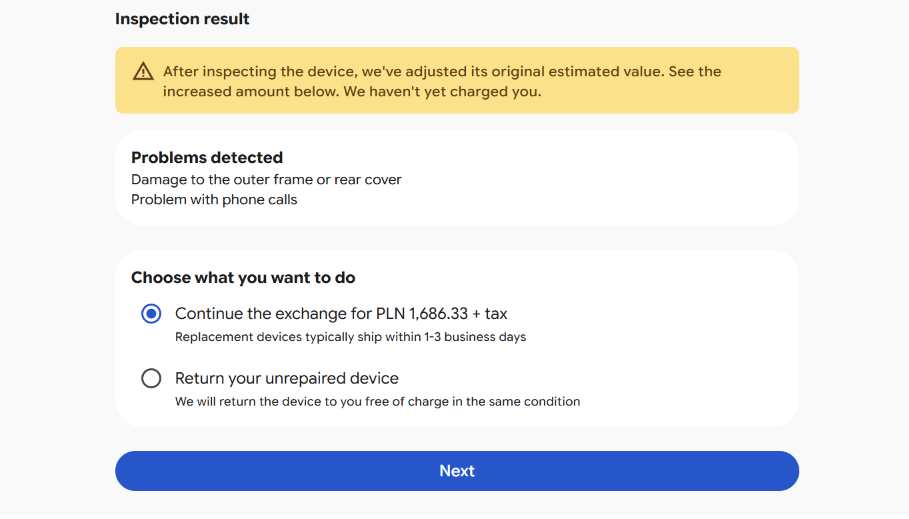
I genuinely have no idea what “phone call problem” means in this context. I use the calling feature regularly, and it works fine. As for the frame damage — there is none. I have photos to prove it.
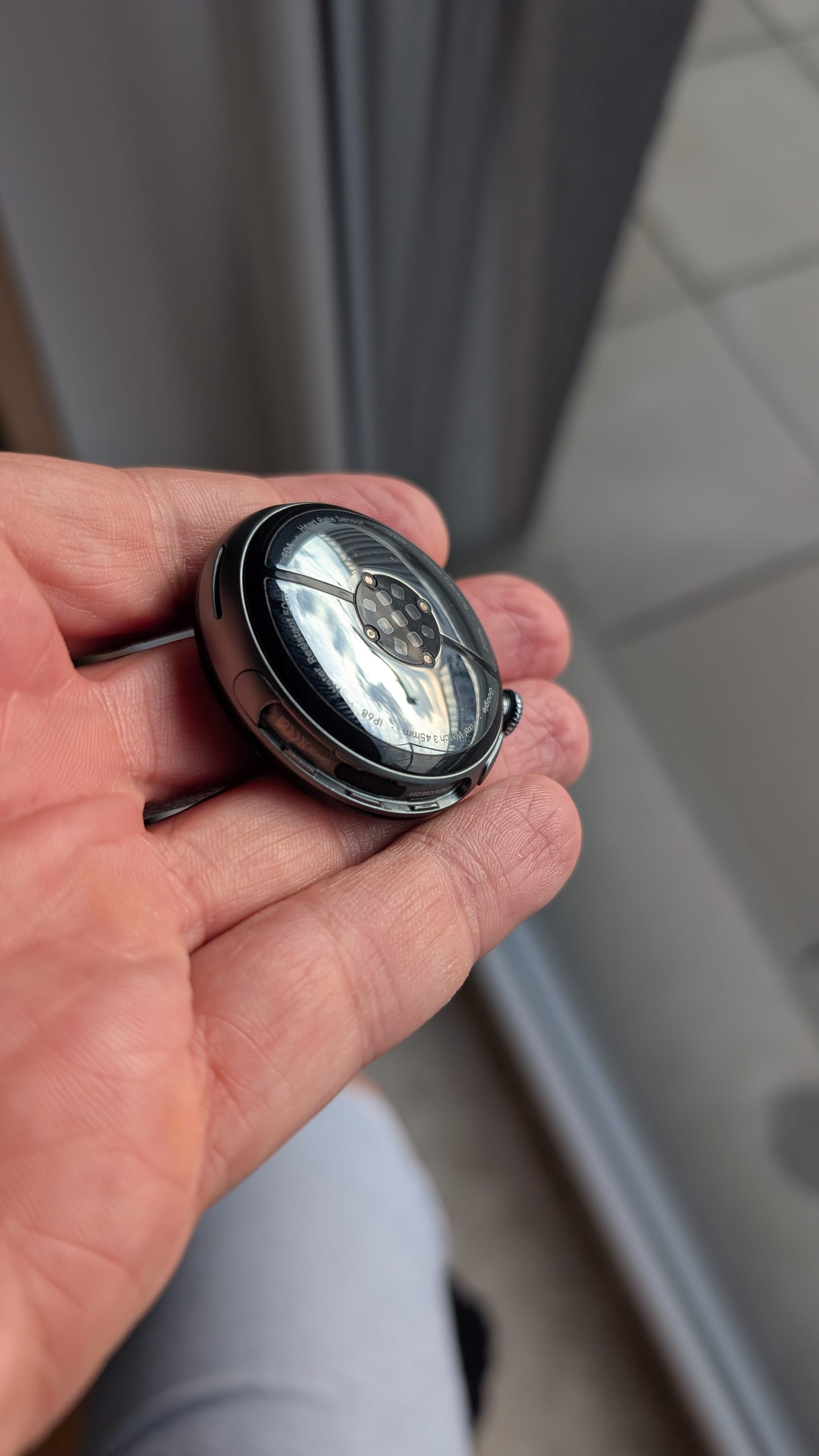
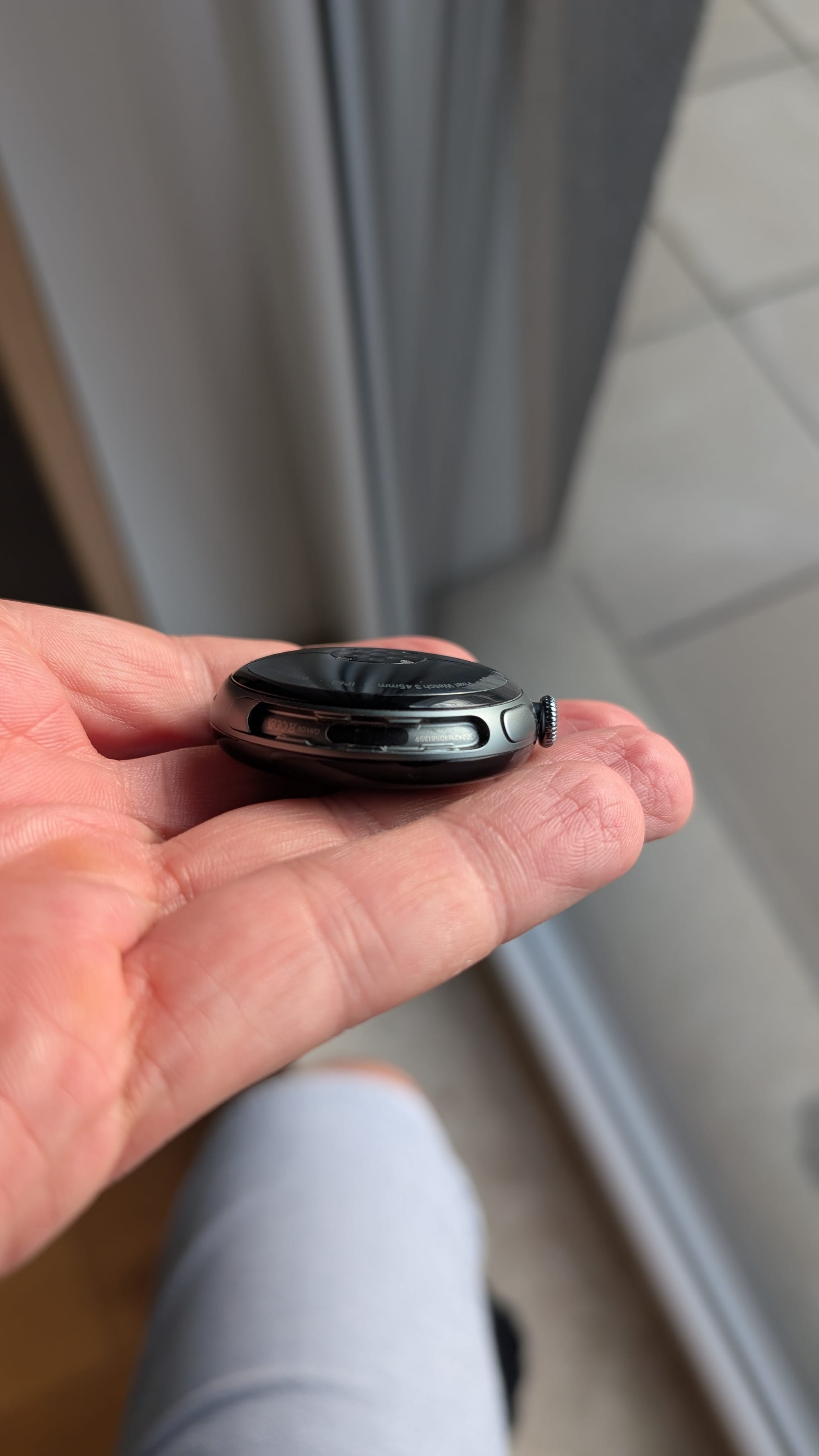
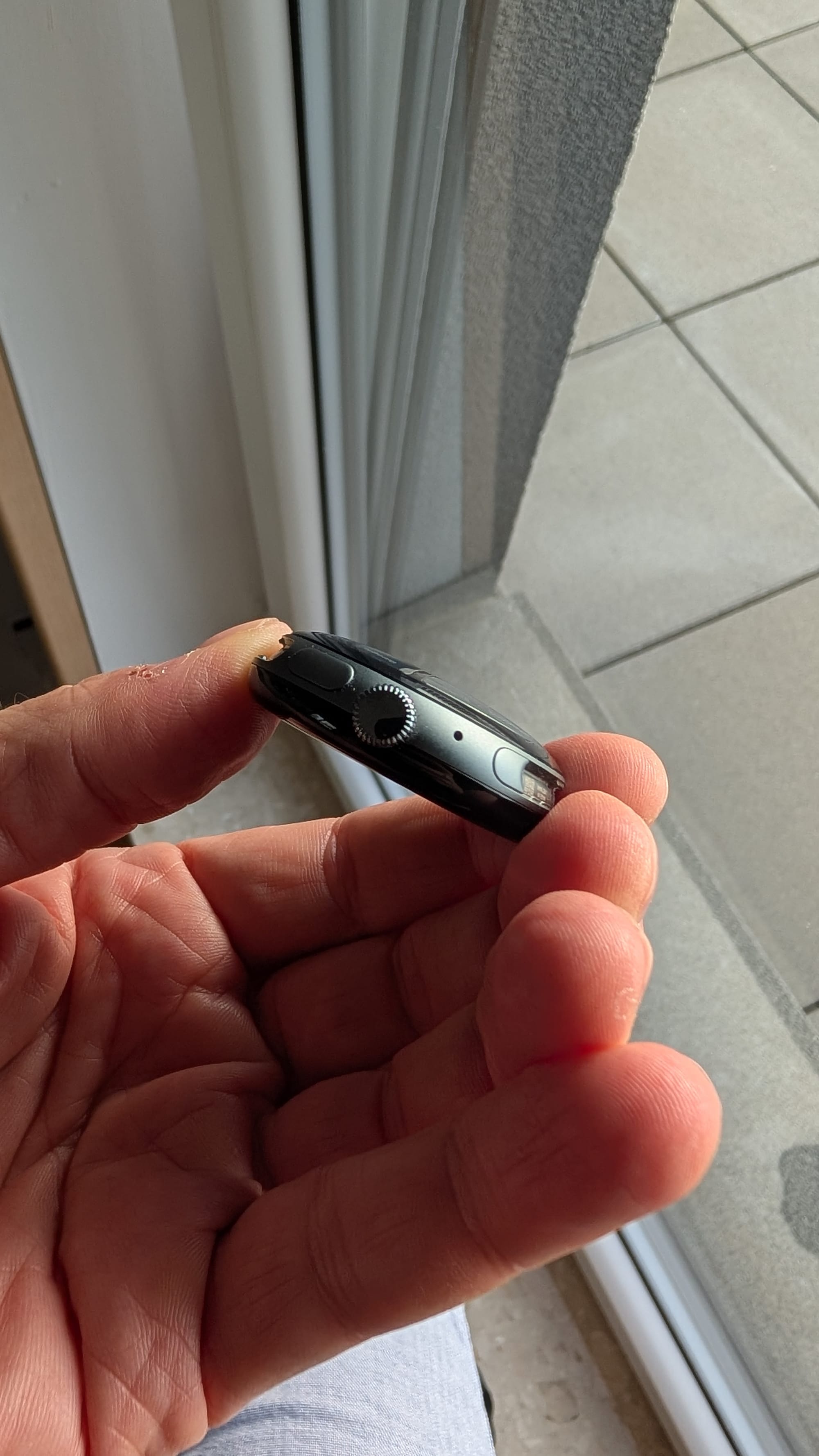
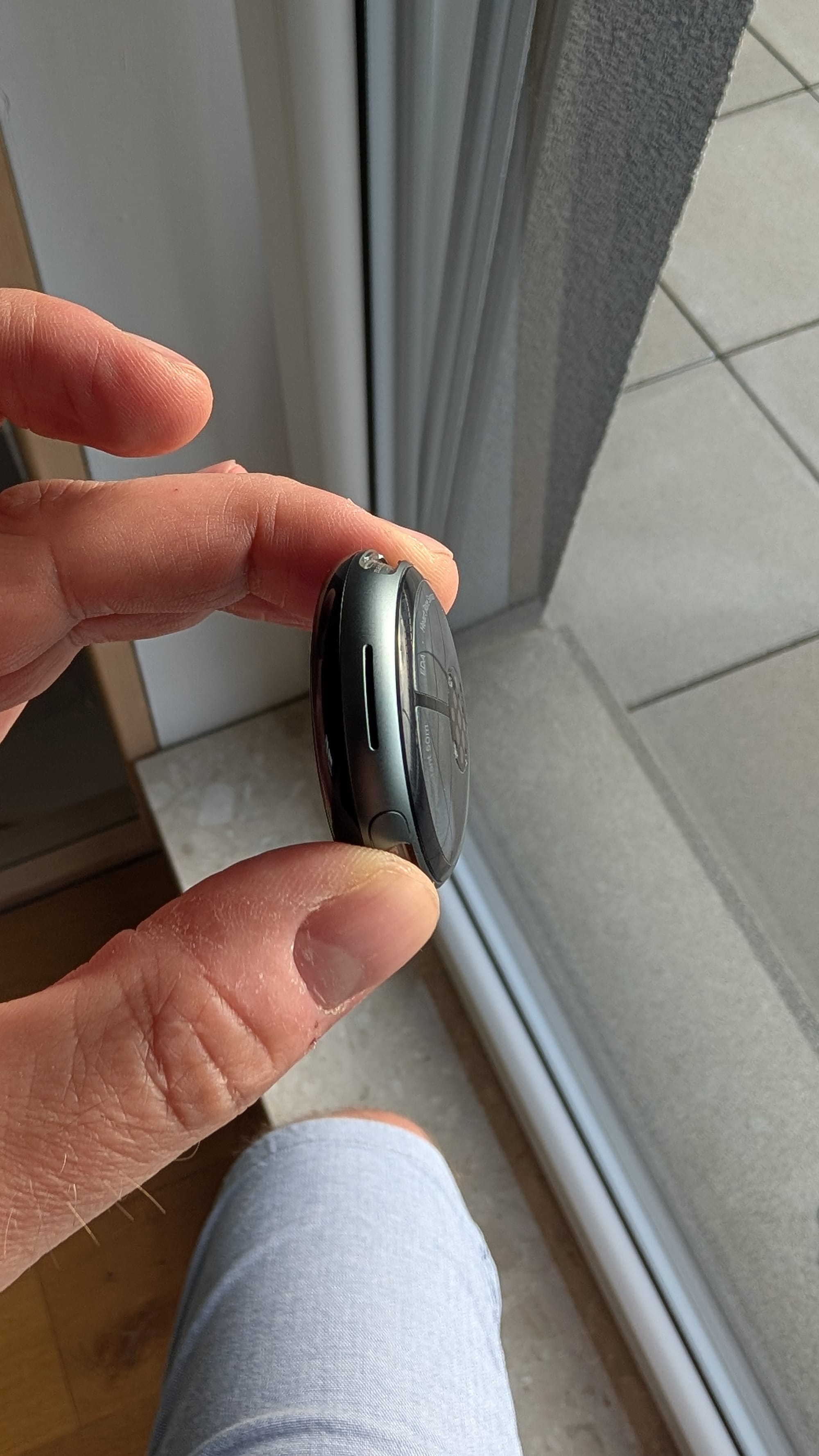
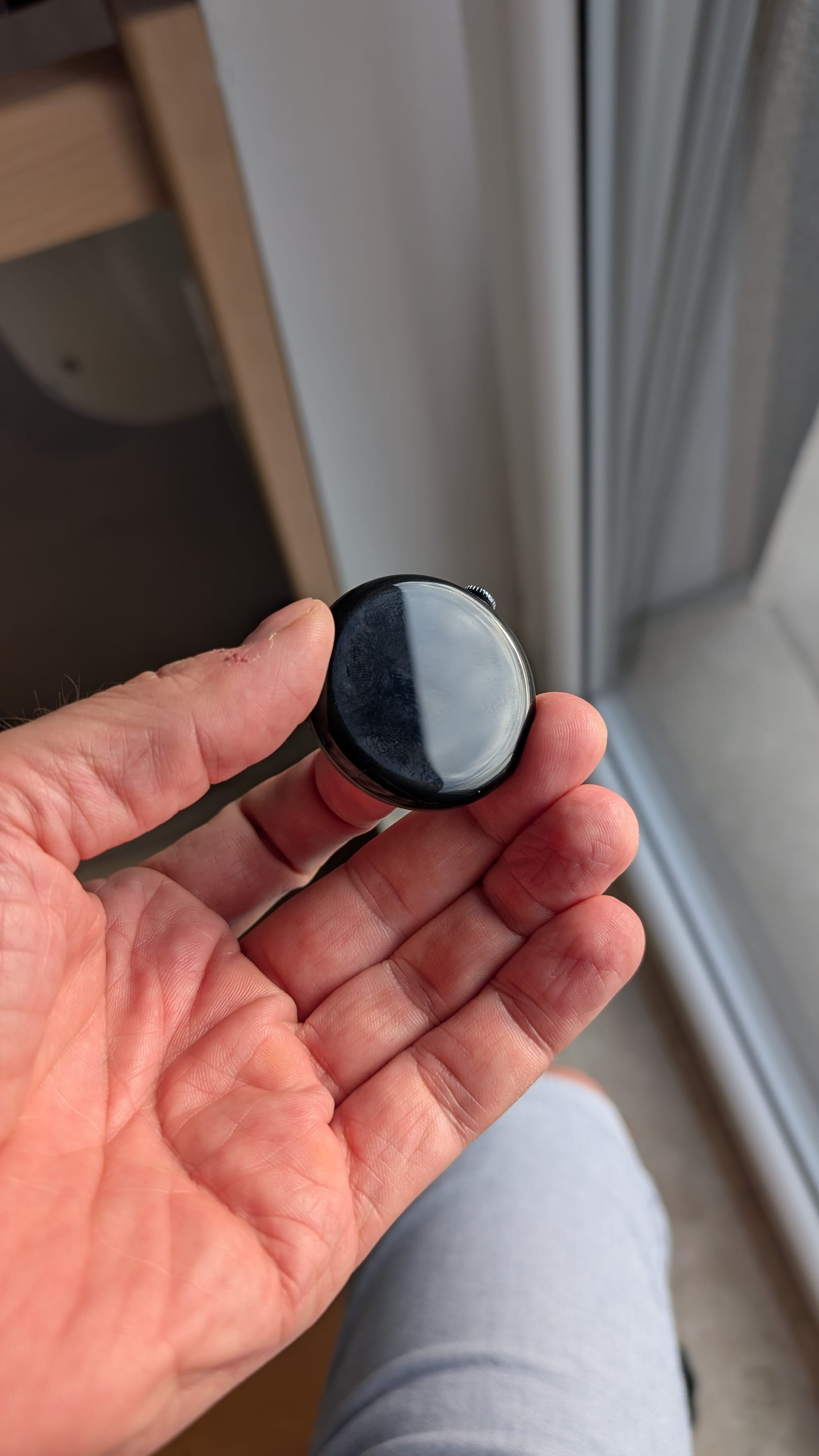
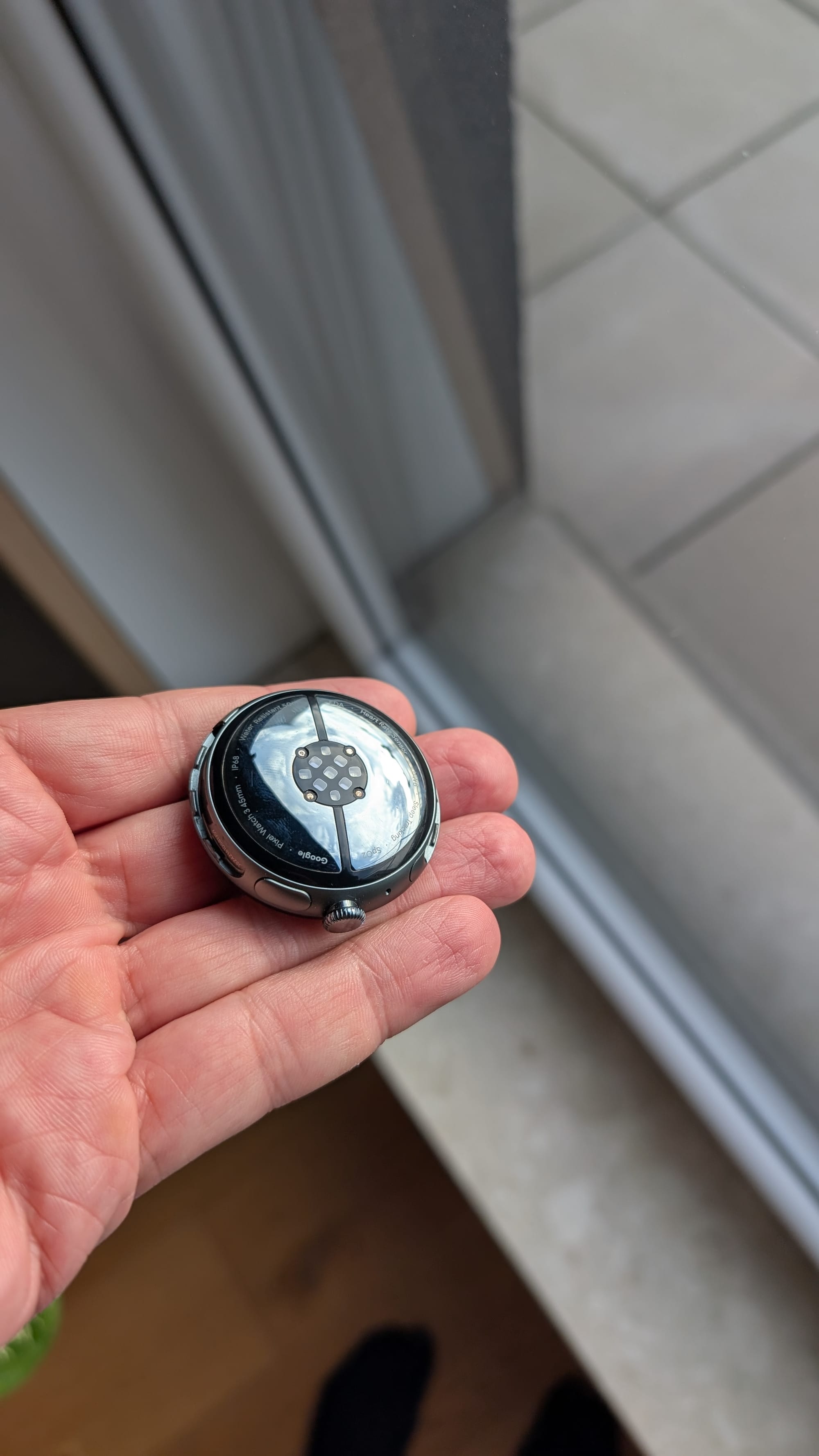
The watch is still under warranty until September 2026. Google isn’t even claiming the warranty expired — they’re just inventing reasons not to honor it.
That was the last straw.
Once is bad luck. Twice is a pattern. Three hundred times is a business model.
I wish my story were unusual. It isn’t.
A thread on r/GooglePixel has become a clearinghouse for users reporting the exact same experience: send a device in for a legitimate warranty defect, get it returned with a fabricated damage report. This is a goldmine:
- https://old.reddit.com/r/Pixel8phones/comments/1n0j4t3/flickering_green_screen_repair_scam/ — Very similar situation as mine, Pixel 8 screen issue, took video/photo evidence before sending, repair center reports not being able to find the issue and claims other physical damage.
- https://old.reddit.com/r/GooglePixel/comments/1mika3g/unfair_pixel_6a_repair_charges_in_india_under/ — Granted, this is a user from India, not EU: Pixel 6a battery replacement, under warranty, Google claims a display issue and they can only fix both or nothing. User pays and battery issues remains.
- https://old.reddit.com/r/GooglePixel/comments/1lwzcyn/pixel_9_repair_scam/ — Pixel 9 user in the UK also started having the screen issue (thought it was only a Pixel 8 thing, but apparently not). User also had a defective front camera, but repair center claims on top of that there’s physical damage, also to the outside frame. Google refuses to repair unless all 3 (camera, physical damage and screen) are paid for.
- https://old.reddit.com/r/GooglePixel/comments/1lsibk2/google_rma_tries_to_scam_me_650_euros_for_a_non/ — Pixel Fold fingerprint reader defect, Google claims reported issue cant be found but reporting that they found issue with inner screen (user reports it working perfectly prior to sending), charging 650 Euro for repair.
- https://www.reddit.com/r/pixel_phones/comments/1kl93aa/google_pixel_fold_warranty_in_australia_is_a_scam/ — Pixel Fold 2 user in Australia with lots of issues: Screens suddenly not working, getting stuck on bootup, battery indicator showing no state when unfolded. User did damage the outer glass of camera. Google refuses to repair the device
- https://www.reddit.com/r/GooglePixel/comments/1lyydxr/google_pixel_8_support_are_they_trying_to_scam_me/ — Pixel 8 user also got the pink vertical line, sends it, Google claims additional damage, escalates it, Google reports bottom speaker mesh damage and refuses to repair. Eventually the user somehow convinces Google to reimburse the repair. This user also managed to convince Google to send photos with “evidence” of speaker mesh damage.
- https://www.reddit.com/r/GooglePixel/comments/1h5ee5x/pixel_8_repair_scam_be_warned/ — Pixel 8 vertical line issue, Google repair center claims “outside frame or back cover damage” yet again.
- https://www.reddit.com/r/pixel_phones/comments/1hni3mf/pixel_8_screen_repair_scam/ — Pixel 8 vertical line + flickering screen. Repair center claims broken back plate, broken front camera, broken phone calls (all false according to user).
- https://www.reddit.com/r/GooglePixel/comments/1hbmamq/sent_pixel_8_for_screen_rma_google_changed_my/ — Pixel 8 flickering screen, Google claims external damage (back cover damage), provided evidence but Google sticks to claim that there’s damage.
- https://www.reddit.com/r/pixel_phones/comments/1h6jqfi/google_pixel_they_will_use_any_excuse_to_avoid/ — Pixel 8 vertical line issue, waited for lines to be permanent, Google reports screen is cracked but user provided photos with no cracked screen. User resorts to getting it repaired to a local store on their own dime.
- https://www.reddit.com/r/GooglePixel/comments/1mh5p2f/mailed_in_my_pixel_7a_for_battery_replacement_now/ — Pixel 7a battery issue, Google charges for cosmetic damage, refuses to do partial repairs.
- https://www.reddit.com/r/GooglePixel/comments/p49ayh/beware_of_googles_warranty_scam/ — Pixel 5 unspecified software issue, Google claims to be able to repair it but then reports physical damage.
- https://www.reddit.com/r/GooglePixel/comments/1mtzfh3/google_warranty_issues/ — Pixel 7a battery issue in warranty, but battery caused glass to crack which Google claims is out of warranty.
- https://www.reddit.com/r/GooglePixel/comments/1i4a2l2/sent_pixel_for_free_battery_replacement_now/ — Very little info, but user reports battery issue with Pixel 4a, within warranty, Google repair charges them for unexpected damage.
- https://www.reddit.com/r/GooglePixel/comments/1lhvl0w/warning_about_google_pixel_repair_support/ — Pixel 8 vertical line, Google replaces it with a refurbished device, year later it happens again, Google refuses to replace the device a second time.
- https://www.reddit.com/r/GooglePixel/comments/1ctc469/google_warranty_for_pixel8_is_a_scam/ — Pixel 8 black spot on screen. Google claims device is not eligible for warranty even though its a common Pixel 8 issue.
- https://www.reddit.com/r/GooglePixel/comments/1e6kkhm/google_pixel_support_nightmare_promised_free/ — Pixel Fold not switching between inner and outer screens, user reports some minor cosmetic damage (scratches). Upon sending, Google drops 698 dollar fee for repair or it will be sent back unrepaired.
- https://old.reddit.com/r/GooglePixel/comments/1n918ro/pixel_8_vertical_lines_warranty_problem/ — Pixel 8 screen flickering and green line, user sent it to repair center in Poland which reported damage to frame or back which wasn’t there when user sent the device, refuses to repair display unless customer pays 135 euro for non-existent physical damage to the device.
- https://www.reddit.com/r/GooglePixel/comments/1n8586o/worst_customer_service_experience_ever/ — Pixel 8 Pro with bluetooth issues, customer support said it could be repaired, phone sent but then repair claims it cannot be repaired. Google sends a replacement instead, which turns out to be a refurbished device without speaker grill, sends it back, got another replacement.
- https://www.reddit.com/r/GooglePixel/s/pPr65QdByj — Pixel 9 Pro Fold user, phone suddenly dies, no physical damage. Google says its not covered and wants 547 Euro.
- https://www.reddit.com/r/GooglePixel/s/TMtyxsOgP6 — Similar issue to others. Pixel 8 won’t turn on, sends for repair, repair center claims device has damage to the outside. Only after pressing them for more info do they claim “speaker mesh damage” as a reason to not honour the warranty.
- https://www.reddit.com/r/GooglePixel/comments/1n1p37x/google_repair_center_being_dishonest/
A Pixel 9 owner sent their phone in for a well-documented pink-line screen defect. The repair contractor “found” frame damage and demanded $170. The user got the phone back, confirmed there was no visible damage, took photos, and re-contacted Google — who acted surprised and then went silent for weeks. As they put it: making a Reddit post was “the only thing that worked” to get Google to honor the warranty.
A Pixel 8 owner in Poland sent their phone in for the known green-line screen defect — a problem so widespread that Google extended the warranty to three years specifically for it. The phone had been in a case since day one. The repair center confirmed the screen defect but also magically discovered “damaged casing or damaged back” and quoted 1,568 SEK to fix it. Other commenters confirmed identical experiences. One put it bluntly: “The Google Poland repair center is a scam.”
In another EU case, Google refused to start a warranty repair unless the user paid €153 for unrelated cosmetic damage. When the user pointed out that this likely violated EU consumer law, Google offered a €30 store coupon — described by the user as “hush money.”
The domed (doomed?) glass and metal glue sandwich
Here’s the part that makes this particularly infuriating: even if Google did want to repair the Pixel Watch 3, the device is barely repairable by design.
The original Pixel Watch teardown by iFixit was brutal. The crown and button don’t appear to be replaceable at all.
Getting inside requires heating and slicing through adhesive. There are no screws, no clips. You can’t reliably reassemble the watch without custom-cut adhesive, and your water resistance rating is gone the moment you crack the case open. iFixit called the internals “ugly” and gave the original Pixel Watch one of the lowest repairability scores in its smartwatch category.
The Pixel Watch 3 isn’t much better — iFixit’s repair guide for it still involves heating an iOpener, slicing screen adhesive, and praying you don’t damage the delicate cable connecting the display to the body.
The irony? Google completely redesigned the Pixel Watch 4 with screws and gaskets instead of glue, earning a 9 out of 10 from iFixit. So Google knows how to build a repairable watch. They just didn’t bother until the Watch 4, and everyone stuck with a Watch 3 or earlier is left holding an expensive glass-and-metal paperweight that Google won’t fix and nobody can fix.
And yet Google happily markets its sustainability credentials, talking about “circular design,” “extending the useful life of products,” and using recycled materials. Build a device that’s essentially disposable, refuse to repair it under warranty by claiming phantom damage, and then put out a glossy page about your environmental commitments.
The support labyrinth
I should mention the support experience, because it’s its own special circle of hell.
Google support is a carousel of agents, none of whom can actually help you. You explain the issue. They say they understand your frustration. They transfer you. The next agent asks you to explain the issue again. They say they’ll connect you with the team responsible. That team connects you with another team. At no point does anyone with actual authority or technical knowledge enter the conversation.
The whole process seems designed to exhaust you into giving up.
Dead watch walking
With the crown broken, I can’t even sell this watch with a clear conscience. The crown is how you navigate the entire OS — scrolling, selecting, going home, restarting. A watch with a broken crown is a watch that barely functions. And since the crown isn’t a user-replaceable part, it’s effectively e-waste.
Which brings me to the punchline: between the hardware failures, the expensive proprietary bands, the mediocre battery life, and the $80/year Fitbit Premium paywall for features that should be free, I’m done with the Pixel ecosystem entirely. I moved to the OnePlus Watch 3, and I haven’t regretted it for a second. It outperforms the Pixel Watch in every meaningful category. Do I slightly miss the Fitbit interface? Maybe. But the fact that Google locks meaningful health features behind an annual subscription makes even that nostalgia feel like Stockholm syndrome.
I'm done trying to resolve this. I've sent the watch in twice, contacted support more times than I can count, and documented everything. Google has lost a Fitbit subscriber, a customer across their entire hardware lineup, and earned one more post documenting their practices. At this point, that's all I can do.
What you should do if this happens to you
If you’re sending any Google device in for warranty repair, photograph everything. Every angle, every edge, every surface. Take a video. Document the serial number, the packaging, the shipping label. Because Google’s repair contractors will “find” damage that doesn’t exist, and without proof, it’s your word against theirs.
And if Google denies your warranty claim with vague language about “frame damage” or “back cover damage” — push back. File a complaint with your local consumer protection agency. In the EU, manufacturers cannot refuse to repair a covered manufacturing defect by citing unrelated cosmetic wear. In the US, the Magnuson-Moss Warranty Act has similar provisions.
Do I slightly miss the Fitbit interface? Maybe. But the fact that Google locks meaningful health features behind an annual subscription makes even that nostalgia feel like Stockholm syndrome.


